
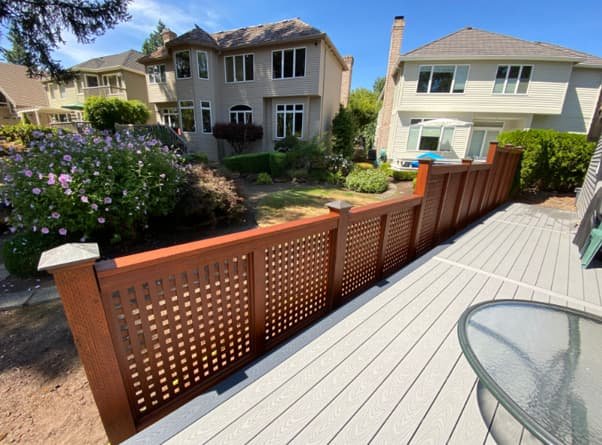
For homeowners, fence staining is not only about making the fence appear nice, actually it works as a protection for wood against moisture, mold and also UV damage, and these problems happen quite often because of coastal weather where rainfall stays heavy for long duration. When it comes to fence staining Vancouver properties often need, doing it the proper way makes the fence resistant towards warping, cracking, and rotting before time, and because of this, wood life increases a lot when compared with fence having no treatment.
Why Wood Fences Need Staining in Vancouver’s Climate
Through fall, winter and spring season also, rain keeps falling in Vancouver quite frequently, since this place has climate that stays wet and temperate for most part of year. Wood, being porous in nature, it keeps absorbing moisture continuously when no protective layer is present on top. This cycle, where wood first absorbs water then dries again and again, it makes fibers inside expand and shrink, and with time this brings splitting, warping, and at last the structure gets weak.
Stain, what it does basically, is forming a barrier type of sealant that reduces amount of water absorption, but still allows wood to breathe in small way. This balance is quite important, because if moisture stays trapped fully inside wood, damage can turn out equally bad as wood having no protection at all.
How Often Should a Fence Be Stained?
Staining frequency, it depends on various things:
- Which type of wood is used, cedar, pine or pressure treated lumber
- How much exposure fence gets from sun and rain directly
- Quality of stain product that got used previous time
- Fence is new one or already having some wear signs
Mostly, fences from this region require restaining somewhere around two to three years gap. In case fence receives more direct sunlight or heavy rain runoff, attention may be needed sooner, while portions of fence staying shaded or covered, those can go longer time without needing stain again.
What Happens If a Fence Is Left Unstained?
In fence with no stain applied, damage signs start appearing much faster if we compare with treated one. Some problems that come up commonly are like this:
- Color of wood turns gray or fades because of UV exposure
- Wood gets soft and spongy from holding excess moisture
- Growth of mold and mildew starts, mainly in shaded portions
- Cracking and splintering happens as wood dries unevenly
As time passes by, these problems start affecting strength of fence structure, and because of this, repairs become necessary many times, or sometimes complete fence replacement is needed much earlier than what should be normal.
Oil-Based vs Water-Based Stains: Which Works Better in Coastal Weather?
Each stain type, it brings own benefit depending upon climate condition.
Oil based stains, this product goes more deep inside wood grain, so protection from moisture becomes stronger. In climates that are wetter, this type mostly performs good, although curing time can become longer, specially when humidity level is high.
Water based stains, these dry faster in comparison, and also they resist mildew formation on surface better. Also, because these stains have more resistance against UV fading, color remains looking good for longer duration.
Since rain occurs so frequently in this region, many wood surfaces perform better having stain that is made specially for handling high moisture condition, whether that stain is oil based type or water based type, this matters less in such case.
Does Fence Staining Increase Property Value?
When fence stays in good condition, curb appeal gets improved, and this affects how property gets viewed, either by buyers who are potential or just people passing by. If fence looks faded, cracked or having discoloration, it gives impression of neglect, even though rest of home got maintained well. But fence that got stained recently, it creates good impression immediately and shows property has been taken care of properly.
Staining alone will not create huge jump in market value, however it does support how exterior looks in overall way, and this matters specially during resale evaluation or general maintenance checking.
Best Time of Year to Stain a Fence in Vancouver
Timing, it plays big role in deciding how well stain adheres and cures properly. Mostly, best period comes during months that are drier, somewhere between late spring till early fall, because rain happens less in this window and temperature stays moderate too. If staining work happens during long wet periods, risk becomes higher that product will not cure in right manner, and this can result into color looking uneven along with protection becoming weak.
Before staining work starts, moisture level of wood surface should get checked properly, because wood needs to be completely dry first, only then stain can bond with it in correct way.
Final Thoughts
To keep wood fence protected from weather of Vancouver, which stays damp and unpredictable, maintenance needs to happen on regular basis, and staining remains among best method for keeping both look and strength of wood intact. Knowing right time and method for staining, this helps homeowners stay away from wood damage that could get avoided otherwise. For people who are researching fence staining Vancouver options currently, understanding how much climate affects wood, this should be first thing to consider before taking any decision about maintenance.